Commercial Waste in Wood Green for organised, compliant business clearance
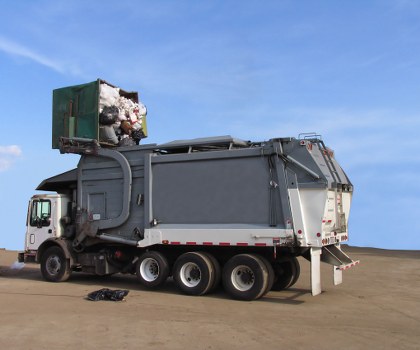
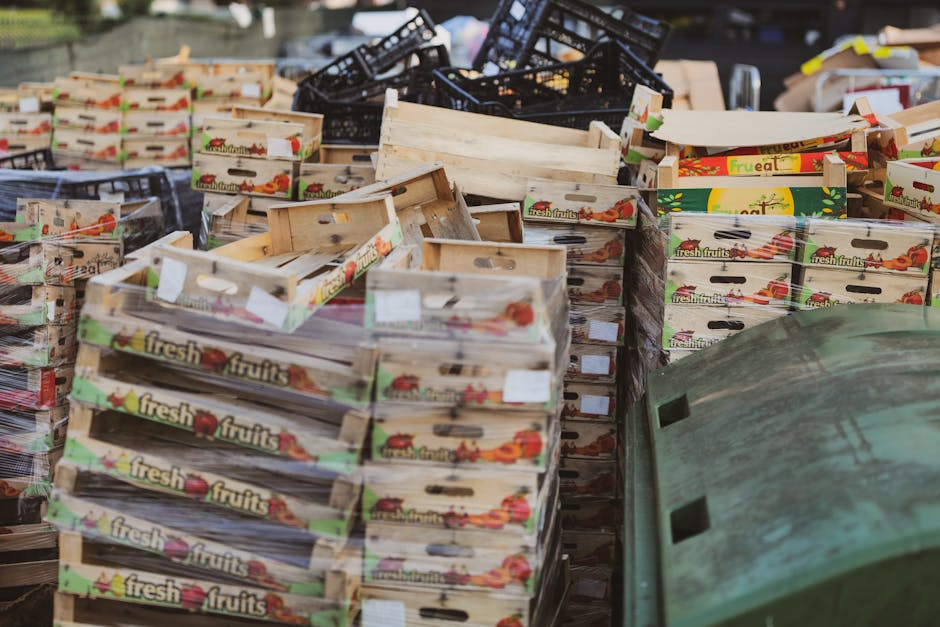
Commercial waste collection in Wood Green should be practical, measured and easy to align with the way a business actually works. We provide a focused service for removing everyday non-hazardous office, retail and light commercial waste, helping premises keep storage areas, back-of-house spaces and customer-facing areas clear. The aim is simple: move waste out reliably, keep paperwork orderly and make sure the disposal route is suitable for the material involved.
Our service covers a broad mix of business waste streams, from routine bagged refuse and packaging to desk clearances, old stock, shelving and redundant fixtures that no longer need to stay on site. Where separate handling is needed, we can discuss the likely waste type and the most appropriate disposal method. That keeps the process clearer for the customer and more consistent for the material.
For a quotation, it helps to describe the waste in straightforward terms and, where possible, note access points, floors, loading restrictions and any items that may need special handling. If you are comparing options, ask for a clear written estimate rather than relying on guesswork. You can also use a short list to organise your own request:
- Type of waste and approximate amount
- Where the waste is located
- Whether there are stairs, lifts or tight entrances
- Any timing limits linked to trading hours
Everyday business waste removal
Many customers need a regular, no-drama solution for items that accumulate as part of normal trading. That can include cardboard, mixed office waste, broken chairs, packaging, small fixtures and stock that is no longer saleable. A well-planned clearance avoids unnecessary disruption and keeps the work area easier to manage. We focus on collecting what needs to go, sorting it where appropriate and ensuring the disposal route reflects the type of material being removed.
Businesses often want support that is flexible enough for changing volumes without becoming complicated. One week may involve a modest pickup from a back room; another may involve several areas within the same premises. We can accommodate different job sizes while keeping the service practical and ordered. If the waste is mainly general commercial material, it is usually better to keep the brief simple and specific rather than overstate every item as a separate task.
What is commonly included
The service can cover many ordinary commercial items, including loose office contents, archive material that is ready for removal, damaged stock, dismantled display pieces and surplus equipment without hazardous components. Where items are bulky, it can help to identify them in advance so the collection plan suits the access route. For mixed loads, the most useful approach is usually to separate obvious categories rather than leave everything in one pile. Business waste removal is the most relevant starting point when the load is mainly office or trading waste.
Office clearance and equipment disposal
Office clearance calls for a slightly different approach because it often includes furniture, loose paperwork, technology and fitted items that may need sorting before removal. We can help clear desks, chairs, cabinets and other redundant contents from offices that are being reconfigured, downsized or emptied. The focus is on removing the unwanted material efficiently while respecting access restrictions and the practical layout of the workspace.
Computers, printers and similar items should be identified carefully because not all equipment is treated in the same way. Some items may be suitable for straightforward collection, while others may need separate handling because of components, data concerns or disposal rules. When you are planning an office clearance, it is sensible to separate reusable furniture from broken or obsolete items, and to note any equipment that should stay on site until a decision has been made. Office clearance gives a more direct route if your main need is an organised workplace clearance rather than general rubbish removal.
Many office jobs are easier when the customer can confirm the quantity, floor level and access route in advance. Photographs can be useful, but they work best when paired with a simple written summary so the scope is clear. If there are shared entrances, limited parking or specific collection windows, mention them once at the outset. That makes it easier to plan the removal without overcomplicating the request.
Furniture and bulky item disposal
Furniture disposal is often needed when a workplace changes layout, closes part of a site or replaces worn-out fittings. Desks, filing cabinets, meeting tables, storage units and reception furniture can all take up more room than expected once they are no longer in use. We remove bulky items in a way that keeps the job manageable for the customer and avoids leaving awkward leftovers behind. The service is especially useful where items are too large for ordinary waste handling and need a deliberate removal plan.
It is usually best to distinguish between items that are intact and items that are already broken, because that helps shape the most suitable collection method. Flat-pack units, assembled office furniture and heavier storage pieces may all need different handling once they are moved from their original positions. Where the furniture is mixed with other business waste, we can discuss the load as a whole and make sure the collection reflects the actual contents. Furniture clearance is a sensible option when the main task is to empty spaces of usable or unwanted furniture.
For larger pieces, there is often no need to over-elaborate the enquiry. A few practical details are usually enough: how many items there are, whether they need dismantling, and whether lifts, narrow corridors or stairs will affect the removal. Keep the request focused on the things that genuinely matter to collection planning.
Waste removal for mixed commercial premises
Not every job fits neatly into a single category, which is why a broader waste removal service is useful for mixed commercial premises. A retail unit may have old packaging and display material, while a small office may also need redundant shelving or a few pieces of furniture removed at the same time. We provide an organised route for those mixed jobs so the customer does not have to separate each component into a different booking.
This kind of work is often driven by practical change rather than a full strip-out. Stock rotation, refits, storage clear-downs and periodic tidying can all produce waste that builds up in several different forms. The collection approach should therefore be matched to the actual load, not to an oversimplified description. Clarity at the beginning helps avoid confusion later. For a wider overview of the service, see waste removal.
If the premises produce waste on a repeating basis, it is worth noting the likely pattern rather than treating every pickup as a one-off mystery. A useful enquiry normally includes the main waste types, the access conditions and any limits linked to opening hours. That keeps the discussion practical and gives room to decide whether one collection or several clearances would suit the work better.
Specialist item types and careful handling

Some commercial waste needs more careful attention because of its size, material composition or disposal route. Fridges, freezers and other appliances can be awkward to store before removal, and certain items may not belong in a standard mixed load. We can discuss the right approach for specific articles so they are handled in line with the type of material involved rather than pushed into a generic category.
Where the waste includes heavier domestic-style items used in a business setting, it is helpful to name them clearly. Sofas, mattresses and similar bulky articles may require different collection planning from ordinary office furniture, especially if access is tight or the items are located away from the main exit. If you need this kind of support, it is better to keep the description precise. Fridge and appliance removal and mattress and sofa disposal can be useful reference pages when those item types form the core of the job.
For customers arranging a mixed clearance, a short inventory is often enough to separate standard waste from items needing more specific handling. That may include appliance makes and sizes, any access restrictions around lift sizes or stairwells, and whether the items are free-standing or built in. A measured description is usually more valuable than a long list of assumptions about how difficult the work might be.
Clearance for storage areas, garages and loft spaces
Commercial premises often contain storage areas that fill up gradually with surplus material, old displays, archive boxes or forgotten equipment. Garages and loft-like storage spaces are particularly prone to becoming catch-all areas where useful items, broken stock and dead space all compete for room. We can clear those areas methodically so the customer regains usable space without having to sort through every item themselves beforehand.
These jobs usually work best when the waste is grouped into clear categories before collection. That makes it easier to identify what should be removed first, what might be kept, and whether any items need careful lifting. If the clearance includes multiple rooms or floors, a quick walk-through or a labelled list can help set the order of work. Garage clearance and loft clearance are the most relevant pages when the waste is concentrated in storage spaces rather than in an open trading area.
Access is often the deciding factor for these spaces, especially where ladders, narrow openings or low head height are involved. Tell us if the area is awkward to reach or if items are stacked in a way that affects removal order. A practical, honest summary is usually all that is needed to quote sensibly.
Home-related clearances for mixed-use properties
When business and domestic items overlap
Some commercial customers work from premises that also contain domestic-style rooms, break areas or converted accommodation. In those situations, the clearance may include household-type items alongside business waste, and the plan has to reflect that overlap. We can handle the removal of furniture, contents and other non-hazardous items in a straightforward way while keeping the waste categories sensible and easy to describe.
Where the work is more like emptying a property than clearing a trading floor, it can help to distinguish between a full contents removal and a smaller targeted job. That makes the scope easier to understand and avoids wasteful back-and-forth. House clearance and home clearance are useful references if the premises include domestic spaces that need to be cleared alongside commercial waste.
Some customers prefer to prepare by setting aside the items that definitely stay and marking the items that go. That is often the most efficient way to reduce uncertainty. A short note about access, parking and any upstairs rooms is usually enough to support a quotation request without turning it into a project plan.
Pricing factors and quotation requests

Commercial waste pricing is usually shaped by the volume of material, the type of items involved and the practicality of the collection route. Heavy, bulky or awkwardly placed waste may require more handling than a simple ground-floor pickup, while mixed loads can need more sorting than a single waste stream. We keep quotations grounded in the actual work required rather than broad assumptions, which helps make the process more transparent for the customer.
It can be useful to think about the parts of the job that genuinely influence cost. Access, floor level, dismantling, item count and any special handling requirements are typically more relevant than general descriptions such as “a lot of wasteâ€. If you are asking for a quotation, a measured explanation of the load tends to work better than a vague estimate. Pricing and quotes is the natural place to review that kind of detail.
Ready to compare options? Send over a brief description of the waste and the collection conditions, and we can help you move toward a sensible plan. If you already know the likely service type, mention it once rather than repeating it several times. That keeps the enquiry efficient and gives you a cleaner basis for deciding what happens next.
Recycling, sustainability and responsible disposal
Good commercial waste handling is not only about taking items away; it is also about making sure the material follows a suitable disposal route. Different waste types may be separated, recovered or diverted where appropriate, depending on what is collected. That is why the description of the load matters: it allows the right handling path to be chosen and avoids unnecessary mixing of materials that should be treated separately.
Businesses often want a simple explanation of what happens to the waste after collection. The most reliable answer is that the route depends on the item type, condition and composition. We aim to manage the load in a way that is consistent with responsible disposal practice and practical recycling where suitable. If sustainability matters to your organisation, it is sensible to ask how the material will be handled rather than assuming every item has the same destination. Recycling and sustainability provides a useful overview of that approach.
When the waste includes a mix of recyclable and non-recyclable items, it helps to avoid overcomplicating the job with unnecessary sorting at source. Basic separation is useful where obvious, but the collection still needs to remain workable. A clear description, a sensible collection plan and straightforward communication usually do more for responsible disposal than a long list of unverified claims.
About Wood Green
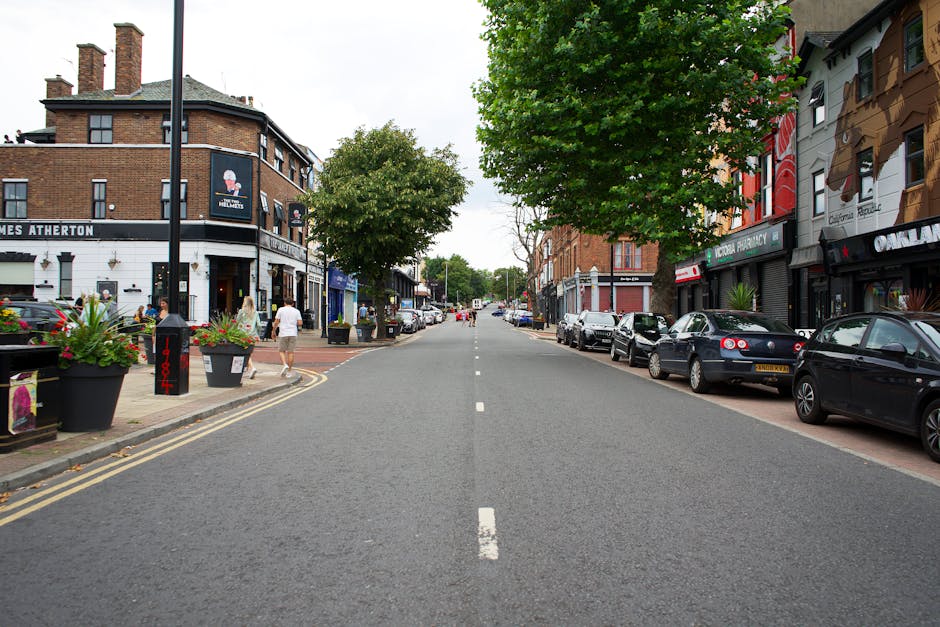
Wood Green is a district in north London within the London Borough of Haringey, known for its position along the A105 corridor and for its long association with retail and suburban development. The area grew significantly with the arrival of rail transport in the nineteenth century, and its present character reflects a mix of high street commerce, residential streets and civic facilities. The name Wood Green is generally associated with the principal shopping stretch around Wood Green High Road, where older buildings and later commercial frontages sit alongside one another, creating a busy urban streetscape rather than a uniform town centre. Alexandra Palace lies to the south-west of the district and is one of the best-known landmarks nearby, while the Broadwater Farm estate, Finsbury Park to the south-east and the East Coast Main Line corridor all contribute to the wider local geography. The area also sits within easy reach of green spaces such as Lordship Recreation Ground and Priory Park, which add to the pattern of open land in an otherwise densely built part of London. Wood Green station on the Piccadilly line makes the district a significant transport point, and the surrounding streets reflect a blend of everyday services, independent shops, housing and municipal uses. Its urban identity has been shaped by waves of change over time, from Victorian expansion and interwar building to later redevelopment and the continuing role of the high road as a focal point for daily activity.
Builders’ waste, renovation debris and final enquiry

Not every commercial clearance is limited to office contents or retail waste. Renovation projects, small refurbishments and fit-out changes can create a separate stream of debris that includes broken fittings, packaging, timber offcuts and other non-hazardous construction-related material. We can discuss these jobs in practical terms so the removal method matches the waste type and the site conditions. Where the load is mainly trade debris, it is usually better to identify that clearly rather than describe it as general rubbish.
Some customers also need help with room strip-outs or with the removal of leftover material after works have finished. In those cases, the most useful information is the waste type, how it is stacked and whether there are any restrictions that affect loading. Builders’ waste clearance is the right reference when the job is centred on renovation debris, while flat clearance and furniture disposal can be useful where the clearance crosses into other item categories.
If you are ready to request a quotation, please send a short summary of the items, the location within the premises and any access notes that could affect removal. Keep it concise and factual, and we can take it from there. For a direct next step, use the quotation route and let us know what needs to be cleared.