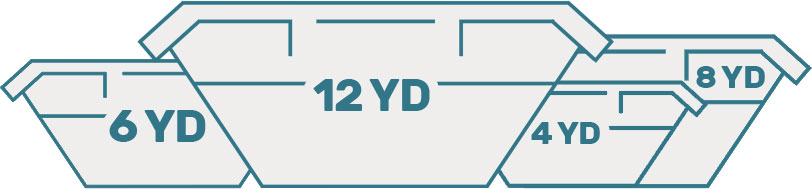
Commercial Waste Wood Green: Recycling and Sustainability for an Eco-Friendly Waste Disposal Area
Our approach to a sustainable rubbish area
At Commercial Waste Wood Green we design systems that turn commercial wood waste into usable resources. We operate with a clear mission to support an eco-friendly waste disposal area and a thriving sustainable rubbish area across industrial sites, retail parks and municipal hubs. By prioritising on-site segregation, reuse and low-carbon transport we reduce landfill, lower embodied carbon and deliver measurable recycling outcomes.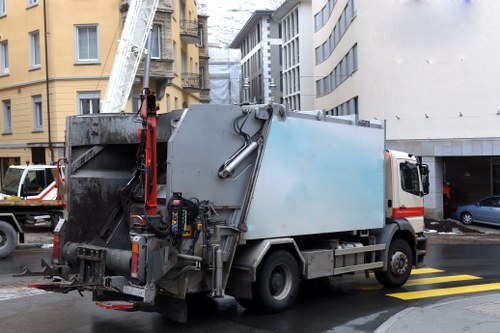 We work closely with local boroughs and site managers to integrate wood-specific streams into existing recycling rounds. Many boroughs have adopted kerbside separation models that keep bulky timber, pallets and untreated wood separate from general mixed recycling and organics; this simple step dramatically increases reuse and reduces contamination. Our systems complement these approaches by providing clear labelling, training for site crews, and secure, covered areas for clean wood collection.
Operations: from transfer to transformation
We link commercial clients to certified local transfer stations and processing hubs where recovered wood is sorted, graded and channelled to the highest value end-use. Our preferred network includes a mix of municipal transfer stations, wood processing yards and dedicated chipping centres that prioritise reuse and energy recovery in that order. This network supports an eco-friendly disposal area model that keeps resources circulating in the local economy. Central to our model is a partnership ecosystem: we partner with charities that specialise in reuse and construction training, social enterprises that turn reclaimed timber into furniture and community projects, and larger not-for-profits that redistribute usable materials to households and social housing projects. These partnerships increase the life of timber products and ensure that functional boards and joinery are diverted from low-value incineration.
We support borough-level initiatives such as bulky item collection programmes, community wood banks and furniture reuse schemes. Our teams coordinate with waste officers to ensure that commercial wood from demolition and fit-outs can be matched with local reuse opportunities or routed to processing for woodchip and engineered wood products when reuse is not viable.
Our sustainability commitments include an ambitious recycling percentage target: we aim for a 75% recycling rate for recovered wood by 2030 across client contracts, with interim yearly targets and transparent reporting. This target applies to clean and segregated wood as well as staged improvement in on-site separation for mixed loads. To achieve this, each contract includes a materials flow audit, quarterly performance reviews and incentives for diversion.
We deploy a fleet of low-carbon vans and vehicles to service sites and transfer stations. These include battery-electric vans for urban rounds, hybrid and biodiesel options for longer haul movements, and a route-optimisation platform that reduces mileage and idling. The move to low-carbon vans complements the circular approach: fewer emissions during collection, lower noise and reduced air quality impact in residential and commercial areas.
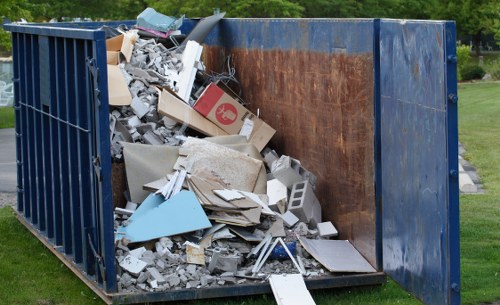 Our operational playbook also emphasises practical steps for clients and borough partners: clear onsite segregation points for pallets, untreated timber, timber with metal fixings, and coated/painted wood; marked containers that align with municipal rules; and regular collections to avoid contamination. We provide training materials and signage so contractors and waste handlers know where each wood type should go.
 To support the local infrastructure we maintain formal relationships with multiple local transfer stations and processing facilities. These facilities are audited for environmental compliance and for their ability to prioritise reuse and high-grade recycling. Typical transfer partners include municipal transfer stations that accept segregated wood, private wood recycling yards with chipping and drying capacity, and social enterprises that reclaim usable items for reuse.
We also publish quarterly sustainability summaries for clients, showing tonnages diverted, carbon savings from reuse versus landfill, and progress toward the commercial wood waste green targets. Our transparent data helps procurement teams demonstrate environmental performance while enabling continuous improvement in the sustainable rubbish area at each site.
Key features of our approach include:
- Mapping of local transfer stations to ensure short, low-impact transport legs.
- Charity and social enterprise partnerships that prioritise reuse and community benefit.
- Low-carbon vehicles and route optimisation to reduce collection emissions.
- Site-specific segregation plans that align with borough waste separation schemes.
- Clear recycling percentage targets and performance reporting to drive accountability.
By combining operational discipline, local partnerships and a commitment to green commercial wood waste pathways, we deliver a resilient, scalable model for an eco-friendly waste disposal area and a truly sustainable rubbish area. Our ambition is to make reused and recycled wood the default outcome for commercial projects, helping clients meet sustainability goals while supporting local circular economy initiatives.
