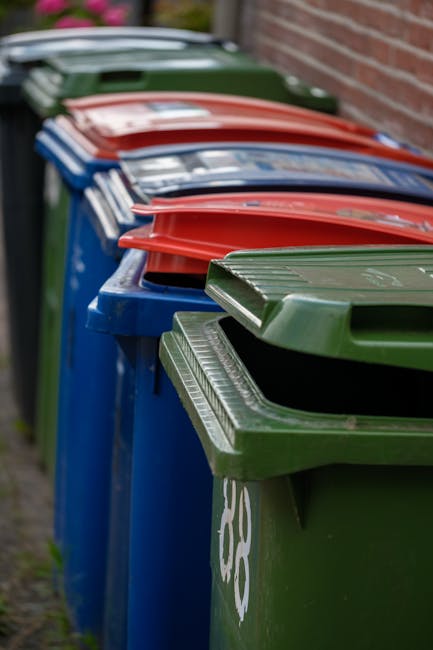
Wood Green High Road guide to rubbish removal services
If you live, work, or run a busy premises near Wood Green High Road, rubbish has a habit of turning up at the worst possible time. One minute it is a few black bags, an old wardrobe, or builder's offcuts stacked by the wall; the next, the space feels cluttered, awkward, and frankly a bit overwhelming. This Wood Green High Road guide to rubbish removal services breaks down how rubbish clearance works, what to expect, what to avoid, and how to choose a service that fits real life rather than an idealised version of it.
Whether you are clearing a flat, dealing with renovation waste, or trying to get a commercial unit back into shape, the basics are the same: remove the waste safely, separate what can be reused or recycled, and make sure it is handled properly. Sounds simple. In practice, the details matter a lot.
In this guide, you will find practical advice on service types, compliance, common mistakes, and the small decisions that can save time, money, and a headache or two.
Why Wood Green High Road guide to rubbish removal services Matters
Wood Green High Road is not the kind of place where waste sits quietly in the background. It is a working, high-traffic stretch with homes, shops, offices, flats, and frequent turnover in stock, fixtures, and furnishings. That means rubbish piles up fast, and once it does, it affects more than appearances.
Overflowing waste can narrow access routes, create trip hazards, attract pests, and make a business or property look poorly managed. For landlords, shop owners, facilities teams, and homeowners alike, clear waste management is part of keeping the space usable. It also helps when you are trying to hand over a property, impress a tenant, or simply get your weekend back.
There is another reason it matters: not all waste is treated equally. Mixed rubbish, electrical items, upholstered furniture, builders' debris, and items with special disposal needs should be handled with care. If a job is rushed or the wrong items are taken the wrong way, you can end up with extra charges or compliance issues. Not ideal, to be fair.
Local rubbish removal services are useful because they reduce friction. You do not need to hire a vehicle, recruit a strong friend who is free on a Tuesday, or spend half a day figuring out where to take what. A good service streamlines the whole thing and gives you a cleaner result with less disruption.
In practical terms, that means faster turnaround, a tidier street-level handover, and less stress around what happens next. For busy people, that is often the real value.
How Wood Green High Road guide to rubbish removal services Works
Most rubbish removal services follow a similar process, though the exact method varies by provider and by the type of waste involved. The idea is straightforward: you describe what needs removing, the team assesses the load, and the waste is collected, sorted, and taken for disposal or recycling.
A typical clearance starts with a rough estimate. You might send photos, list the items, or request an on-site assessment. That helps determine volume, weight, access, and whether the waste is standard household rubbish, commercial waste, bulky items, or something more specific such as builder's spoil or appliances.
From there, the collection team arrives with the right vehicle and equipment. This part is often faster than people expect. If the waste is already bagged or grouped neatly, the job can move quickly. If it is buried in a back yard, stacked in a loft, or mixed across several rooms, it may take longer. You know how it goes: one "small job" can quietly become three.
After collection, the waste is transported to an appropriate facility. Reusable items may be separated first, recyclable materials are sorted where possible, and anything unsuitable is handled according to the relevant disposal route. That is where a responsible provider's process really shows.
For larger or more varied clearances, it often helps to use a service such as general waste removal alongside specific options like builders waste clearance or office clearance. Matching the job to the right service usually gives a cleaner, more efficient result.
If you are clearing a mixed property, specialist items may need separate handling. That could include fridge and appliance removal, mattress and sofa disposal, or hazardous waste disposal. The main point is simple: not everything should go in the same pile.
Key Benefits and Practical Advantages
The most obvious benefit is convenience, but that is only the beginning. Rubbish removal services can solve several problems at once, especially in busy areas where access and timing matter.
- Speed: Collection can often be arranged far quicker than self-disposal, especially when you have no van or no time.
- Less manual labour: Heavy items, awkward furniture, and bagged waste can be removed without you doing the lifting.
- Better sorting: A professional clearance is more likely to separate recyclable items from mixed waste.
- Reduced disruption: The right team can complete a job with minimal noise, mess, and back-and-forth.
- More flexibility: Useful for flats, basements, shops, offices, and properties with awkward access.
- Cleaner handover: Helpful before moving out, reopening a premises, or starting refurbishment.
There is also a softer benefit that people underestimate: peace of mind. Once clutter is gone, you can think properly again. A cluttered room, especially one with boxes, broken furniture, and packaging at ankle height, has a way of making every other job feel harder.
For many customers, the real win is not "taking rubbish away"; it is getting a space back that feels manageable. That emotional shift is real, and you notice it within minutes.
Who This Is For and When It Makes Sense
This guide is relevant to a broad mix of people, because waste comes in many forms. On Wood Green High Road, the most common situations tend to include households, landlords, letting agents, shop owners, office managers, contractors, and people in the middle of a move or renovation.
You may need rubbish removal if you are:
- clearing a flat after tenants have left
- dealing with furniture that no longer fits your space
- emptying a garage, loft, or storage area
- removing garden waste after a tidy-up
- disposing of renovation debris from a small building project
- replacing old office furniture or equipment
- preparing a property for sale, let, or refit
It also makes sense when the waste is too bulky for normal bins, too much for a standard car, or awkward enough that you would rather not spend a Saturday wrestling with it. And honestly, who would?
Different property types have different pain points. A ground-floor shop may need a fast same-day collection before opening hours. A top-floor flat may need teams who can work carefully in tight stairwells. A home clearance may be more emotional, especially where you are sorting through mixed belongings rather than straightforward rubbish.
For those cases, services such as flat clearance, house clearance, home clearance, or garage clearance can be a better fit than a generic one-size-fits-all approach.
Step-by-Step Guidance
If you want a rubbish removal job to go smoothly, a little planning helps. Not much. Just enough to avoid surprise costs and awkward delays.
- Identify the waste type. Separate ordinary rubbish from bulky items, appliances, green waste, builders' debris, and anything that might need special handling.
- Estimate the volume. A few bags is one thing; a room full of mixed waste is another. Photos usually help a lot here.
- Check access. Think about stairs, narrow hallways, parking, loading points, and whether the team will need to carry items a long way.
- Sort what you want to keep. This sounds obvious, but valuable items often hide in the middle of a clear-out.
- Ask how the waste will be handled. Recycling, reuse, and disposal routes matter, especially for mixed loads.
- Confirm the timing. If you need a morning slot before customers arrive or a quick turnaround between tenancies, say so early.
- Prepare the area. Clear a path, move fragile items, and keep pets or children out of the way.
- Review the quote and terms. Make sure you understand what is included before the team starts loading.
A small example: if you are clearing a back office on a Wednesday afternoon and the lift is out of action, the access problem may matter more than the rubbish itself. Tell the provider. It saves everyone time.
If you are unsure what can go in a mixed load, it is worth checking a guide such as what can go in a skip. Even when you are not booking a skip, the same basic sorting logic often applies.
Expert Tips for Better Results
Over time, a few habits make a rubbish clearance smoother. They are simple habits, but they make a real difference.
Tip 1: Group similar items together. Put wood with wood, packaging with packaging, and furniture in one area if you can. A tidy layout speeds up loading and makes pricing easier to judge.
Tip 2: Be honest about awkward items. Old freezers, broken desks, damaged mattresses, and damp bags are all relevant. Leaving them out of the description usually causes friction later.
Tip 3: Think beyond the obvious waste. Sometimes a clearance is really about reclaiming usable space. A room that has become the storage place for "things to deal with later" can hide a lot of value in forgotten items.
Tip 4: Ask about recycling and reuse. A responsible provider should be able to explain how they approach separation and diversion from landfill. Not every load can be fully recycled, of course, but there should be a clear effort.
Tip 5: Choose the right service for the job. Furniture, appliances, garden waste, and business rubbish all have slightly different handling needs. Matching the job to the right service saves hassle.
One small but useful detail: if the job is happening in the middle of the day on Wood Green High Road, factor in traffic, loading access, and the rhythm of the street. The best collection windows are often the ones that avoid peak disruption, even if they are not the most convenient at first glance.
Common Mistakes to Avoid
Most clearance problems are avoidable. The same few mistakes crop up again and again, and they are rarely dramatic. Just irritating. Which is almost worse.
- Underestimating the volume: A "few items" can grow quickly once someone starts lifting and sorting.
- Mixing specialist waste with general rubbish: This is where compliance and cost issues often begin.
- Forgetting access details: Stair-only flats, tight entrances, and parking restrictions matter more than people expect.
- Leaving the sort-out until collection day: It slows everything down and can lead to mistakes.
- Choosing purely on price: Cheapest is not always best if the service is vague or excludes the items you need gone.
- Ignoring paperwork or terms: Especially important for business waste and larger clearances.
A related mistake is assuming every item can be taken in the same way. For example, upholstered furniture, electrical appliances, and confidential paperwork may need different treatment. If you are dealing with sensitive material, a service such as confidential shredding may be the safer route.
Another one people miss: damp or contaminated waste can behave differently during removal. It is heavier, messier, and sometimes more expensive to handle. Nobody likes that surprise.
Tools, Resources and Recommendations
You do not need specialist equipment to prepare for a rubbish removal, but a few practical tools help the process go smoothly.
- Heavy-duty bags or boxes: Useful for smaller mixed waste and loose items.
- Labels or tape: Handy if you are separating keep, donate, and remove piles.
- Gloves and sturdy shoes: Basic protection for moving smaller items safely.
- A phone camera: Photos make quoting far more accurate than vague descriptions.
- Measuring tape: Helpful for bulky items like sofas, desks, or appliances.
When planning a larger clearance, it can also help to think in categories. For example, garden material may sit alongside broken fencing or soil-heavy waste, so a service like garden clearance may fit better than a general collection. Renovation debris, meanwhile, might need builders waste clearance.
For property-wide jobs, the following pages can be useful starting points depending on what you are clearing: loft clearance, furniture clearance, and office clearance. The point is not to overcomplicate things, just to avoid forcing the wrong solution onto the wrong pile.
And if you are still weighing up how much waste can go in a single collection approach versus another method, it can be useful to compare your options with what can go in a skip. Even a quick skim can sharpen the decision.
Law, Compliance, Standards, or Best Practice
For rubbish removal, compliance is less about jargon and more about doing the job responsibly. In the UK, waste has to be handled in a way that avoids fly-tipping, improper disposal, and unsafe handling of restricted items. You do not need to become an expert in waste legislation, but you do need a provider who acts sensibly.
In practical terms, good practice usually means:
- sorting waste carefully and not mixing items that need separate handling
- using a provider that can explain what happens to the waste
- keeping records and invoices where relevant, especially for business waste
- treating electrical, bulky, and potentially hazardous items with extra care
- making sure staff or contractors follow safe loading and lifting practices
If a load includes materials that may pose a risk to people or the environment, extra caution is needed. That is especially true for chemicals, paints, oils, sharps, or anything you would not want sitting in a general skip or loading area. If in doubt, ask before collection. Better to ask twice than guess once.
Insurance and safety also matter. A reliable clearance process should reduce the risk of damage to walls, flooring, stairwells, and the people doing the lifting. If you are comparing providers, pages like insurance and safety and health and safety policy are worth reviewing because they show how seriously a business treats the job.
For commercial clients, waste handling can also tie into premises management, customer safety, and day-to-day operations. That is why business waste removal is often about more than simple disposal; it supports how the site functions.
Options, Methods, or Comparison Table
There is more than one way to clear rubbish, and the right choice depends on volume, access, timing, and the type of waste. Here is a simple comparison.
| Method | Best for | Advantages | Watch-outs |
|---|---|---|---|
| Professional rubbish removal | Mixed loads, bulky items, time-sensitive clearances | Fast, convenient, minimal lifting for you | Needs accurate description of waste and access |
| Skip hire | Longer projects, ongoing DIY or renovation waste | Good for staged loading over time | Requires space, permits may apply, waste types are restricted |
| Self-haul to a facility | Smaller loads if you have transport and time | Can be practical for very small jobs | Time-consuming, physically awkward, vehicle limitations |
| Specialist item removal | Appliances, sofas, mattresses, confidential material | Tailored handling for specific items | Not suitable for every mixed clear-out |
In real life, people often use a mix of methods. A renovation might involve specialist builder waste collection, while a household clear-out could combine furniture disposal with a general rubbish pickup. There is nothing wrong with mixing approaches if it makes the job cleaner and safer.
If you are looking at a one-off bulky collection, the main question is often: do you want speed and simplicity, or do you want the flexibility of loading things yourself over several days? Most people, especially in busy London settings, choose speed. Fair enough.
Case Study or Real-World Example
Imagine a small retail unit on Wood Green High Road at the end of a refit. There are broken display plinths, packaging, old shelving, a few damaged chairs, and a couple of awkward electrical items that have been sitting near the back door for too long. The staff need the space cleared before reopening, and they do not want customers stepping around waste the next morning.
In that kind of situation, the best approach is usually to sort the waste into clear categories before collection: what stays, what can be reused, what is general rubbish, and what needs special treatment. The team then arrives with the right vehicle, loads the materials efficiently, and leaves the unit ready for cleaning and setup.
What makes this sort of job go well is not luck. It is a little preparation and a provider that understands access, timing, and disposal routes. If the site has narrow frontage or limited loading space, that should be discussed upfront. If a fridge, a sofa, or confidential paperwork is involved, those details should not be left until the end. Simple stuff, but important.
The practical result is less time lost, fewer delays to reopening, and a more organised finish. And that last bit matters more than people admit. Walking into a clear, empty space early in the morning has a very different feel from stepping around random debris with a coffee in hand.
Practical Checklist
Use this checklist before booking rubbish removal on or around Wood Green High Road:
- List every item or waste type that needs removing
- Take a few clear photos from different angles
- Measure bulky items if size may affect access or loading
- Check stairs, lift access, and parking or loading restrictions
- Separate anything you want to keep before the team arrives
- Flag appliances, sofas, mattresses, or other specialist items
- Identify anything potentially hazardous
- Ask how recycling and disposal are handled
- Confirm the collection time and what happens on arrival
- Review the quote, including any exclusions or extra charges
- Keep pets, children, or customers away from the loading area
- Make sure the route from the waste pile to the exit is clear
Expert summary: The cleanest rubbish removal jobs are rarely the biggest ones. They are the ones where the waste is described clearly, access is planned properly, and the right service is chosen first time.
If you want to move quickly from planning to action, it helps to review the provider's booking, payment, and sustainability information before you commit. A few minutes there can save a longer back-and-forth later.
Get a free quote today and see how much you can save.
Conclusion
Rubbish removal on Wood Green High Road is not just about getting rid of clutter. It is about keeping homes, shops, offices, and shared spaces safe, functional, and ready for whatever comes next. When the service is matched properly to the waste type, the job becomes much easier than most people expect.
The big takeaway is simple: describe the waste clearly, think about access, separate specialist items, and choose a provider that handles disposal responsibly. Do that, and most clearances become straightforward rather than stressful.
If you are dealing with a full property, a business unit, or just a stubborn pile of items that has outstayed its welcome, the right rubbish removal service can make the difference between a lingering problem and a clean fresh start. And sometimes that fresh start feels better than you thought it would.
Frequently Asked Questions
What is included in rubbish removal services on Wood Green High Road?
Usually, rubbish removal covers the collection, loading, transport, and disposal or recycling of unwanted items. The exact inclusions depend on the type of waste, access, and how much needs to go.
How quickly can rubbish be collected?
That depends on availability, the size of the job, and whether specialist items are involved. Small clearances can often be arranged more quickly than larger, mixed loads.
Do I need to move the rubbish outside first?
Not always. Some services will collect from inside a property, though access, stairs, and parking can affect the process. It is best to confirm this before booking.
Can furniture and bulky items be taken away?
Yes, bulky items are commonly removed. Sofas, wardrobes, desks, and similar items are typical examples, although some need more careful handling than others.
What happens to the waste after collection?
It is usually taken to an appropriate transfer or disposal facility, where it may be sorted for reuse, recycling, or disposal depending on the material.
Is rubbish removal better than hiring a skip?
It depends on the job. Rubbish removal is often better for speed, mixed waste, and limited access. Skip hire can suit longer projects where you want to load waste yourself over time.
Can I include electrical items or fridges?
Some electrical items can be collected, but fridges and larger appliances may need specialist handling. It is sensible to mention them early so the right arrangement can be made.
How do I know if my waste needs special disposal?
If it includes chemicals, liquids, sharps, paint, asbestos-related material, or other unusual items, treat it as specialist waste and ask before collection.
What should businesses on Wood Green High Road look for?
Businesses should look for reliable timing, clear pricing, safe handling, and a provider that understands commercial waste responsibilities. Regular clearance can also help keep customer areas tidy and compliant.
How can I keep the cost down?
Describe the load accurately, separate specialist waste, clear access points, and group similar items together. A neat, honest description usually helps more than people realise.
Can I mix furniture, bags of rubbish, and builder's waste in one collection?
Sometimes, yes, but only if the provider accepts that mix and the job is described properly. Mixed loads are common, but certain items may need separate handling.
Where should I start if I am unsure what service I need?
Start by listing what you need removed, taking photos, and thinking about whether it is household rubbish, business waste, bulky furniture, or renovation debris. From there, you can match the job to the most suitable clearance option.
If you are weighing up service fit, it can also help to look at related pages such as furniture disposal or recycling and sustainability to understand how different items are typically handled.